First impressions are fast. Faster than you think.
When someone lands on your website, scrolls past your Instagram profile, or sees your product packaging for the first time, their brain makes a snap judgment in seconds. Before they read your tagline. Before they understand your offer. Before they compare prices.
That judgment is often shaped by one thing: your logo.
A logo is not just a graphic. It’s a signal. It communicates credibility, personality, positioning, and intention — all at once. Whether you’re launching a startup, building a personal brand, or refreshing an established business, investing time in creating a strong visual identity is not optional. It’s foundational.
Why Your Logo Matters More Than You Realize
A logo sits at the center of your brand ecosystem. It appears on your website header, social media profiles, business cards, product packaging, invoices, ads, and presentations. It becomes the visual shorthand for everything you stand for.
If you’re looking for an accessible way to design logos that reflect your brand’s personality without hiring an expensive agency, modern online tools have made the process surprisingly intuitive — even for non-designers.
But tools are just the beginning. The real magic happens when strategy meets creativity.
Let’s break that down.
A Logo Is Strategy in Visual Form
The biggest mistake people make? Jumping straight into fonts and colors without clarity.
Before you even think about shapes or icons, ask yourself:
- Who is my target audience?
- What emotions do I want my brand to evoke?
- Am I positioned as premium, playful, innovative, traditional, bold, minimalist?
For example:
- A tech startup targeting Gen Z might lean toward clean typography with a modern sans-serif font and vibrant accent colors.
- A luxury skincare brand would likely choose elegant serif fonts and a restrained, neutral palette.
- A children’s educational platform might embrace rounded shapes and cheerful tones.
A logo is a visual summary of your positioning. Without strategic clarity, design becomes guesswork.
The Elements That Make a Logo Memorable
Not all logos are created equal. Some are instantly recognizable. Others disappear into the background.
Here’s what separates strong logos from forgettable ones:
1. Simplicity
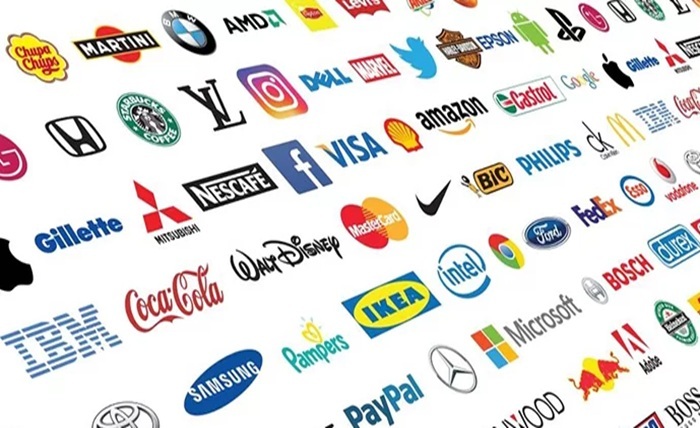
The most iconic logos in the world aren’t complicated. They’re simple enough to recognize at a glance — even from far away or in small formats.
Simplicity improves:
- Scalability (works on a billboard and a favicon)
- Memorability
- Versatility
If your logo loses clarity when resized, it’s too complex.
2. Relevance
Your logo doesn’t have to literally show what you do — but it should feel aligned with your industry and audience.
A law firm probably shouldn’t use neon pink bubble letters.
A gaming channel likely shouldn’t look like a corporate finance brand.
Context matters.
3. Timelessness
Trends come and go. Gradient-heavy logos were everywhere a few years ago. Before that, it was glossy 3D effects.
Chasing trends can make your brand look dated quickly.
Aim for longevity. Ask yourself: Will this still look relevant in five years?
Choosing the Right Logo Type
Not every brand needs an icon. Some of the most powerful logos are purely typographic.
Here are the main categories:
Wordmark (Logotype)
Just the brand name in a distinctive font.
Best for: Brands with short, unique names.
Lettermark
Initials instead of the full name.
Best for: Long company names.
Icon-Based Logo
A symbol paired with or without text.
Best for: Brands that want strong visual recognition.
Combination Mark
Text + symbol together.
Best for: Versatility across platforms.
When starting out, combination marks often offer the most flexibility.
Color Psychology: Subtle but Powerful
Color influences perception more than we consciously realize.
- Blue = trust, professionalism, stability
- Green = growth, sustainability, calm
- Red = energy, passion, urgency
- Black = sophistication, authority
- Yellow = optimism, warmth
Limit your palette. Two to three primary colors are usually enough.
Real-World Example: Small Business Transformation
Imagine a local coffee shop that started with a generic clipart-style logo. The colors didn’t match the interior design. The typography looked outdated. Online, the brand felt inconsistent.
After redefining their audience (young professionals and remote workers), they updated their logo to a clean wordmark with a subtle coffee bean icon. Earthy tones replaced harsh contrasts.
The result?
- Increased Instagram engagement
- Better brand recall
- More consistent packaging and signage
The product didn’t change. The perception did.
That’s the power of cohesive branding.
Common Logo Mistakes to Avoid
Even with great tools available, certain pitfalls are common:
- Using too many fonts
- Overcomplicating with multiple icons
- Ignoring scalability
- Copying competitors too closely
- Designing without understanding your audience
Your logo should differentiate you — not blend you into the crowd.
Your Logo Is the Beginning, Not the End
A great logo doesn’t build a brand on its own. It supports one.
Your messaging, customer experience, product quality, and consistency all work together to create trust. But your logo is often the door through which people first enter your world.
Make that entrance intentional.
Make it strategic.
Make it memorable.
Because in a crowded digital landscape, clarity isn’t just nice to have — it’s a competitive advantage.